Writing
Check out my LessWrong profile for a more up-to-date list of writings.
Writing contributions
Papers and reports I helped write. For my research papers, see Research.
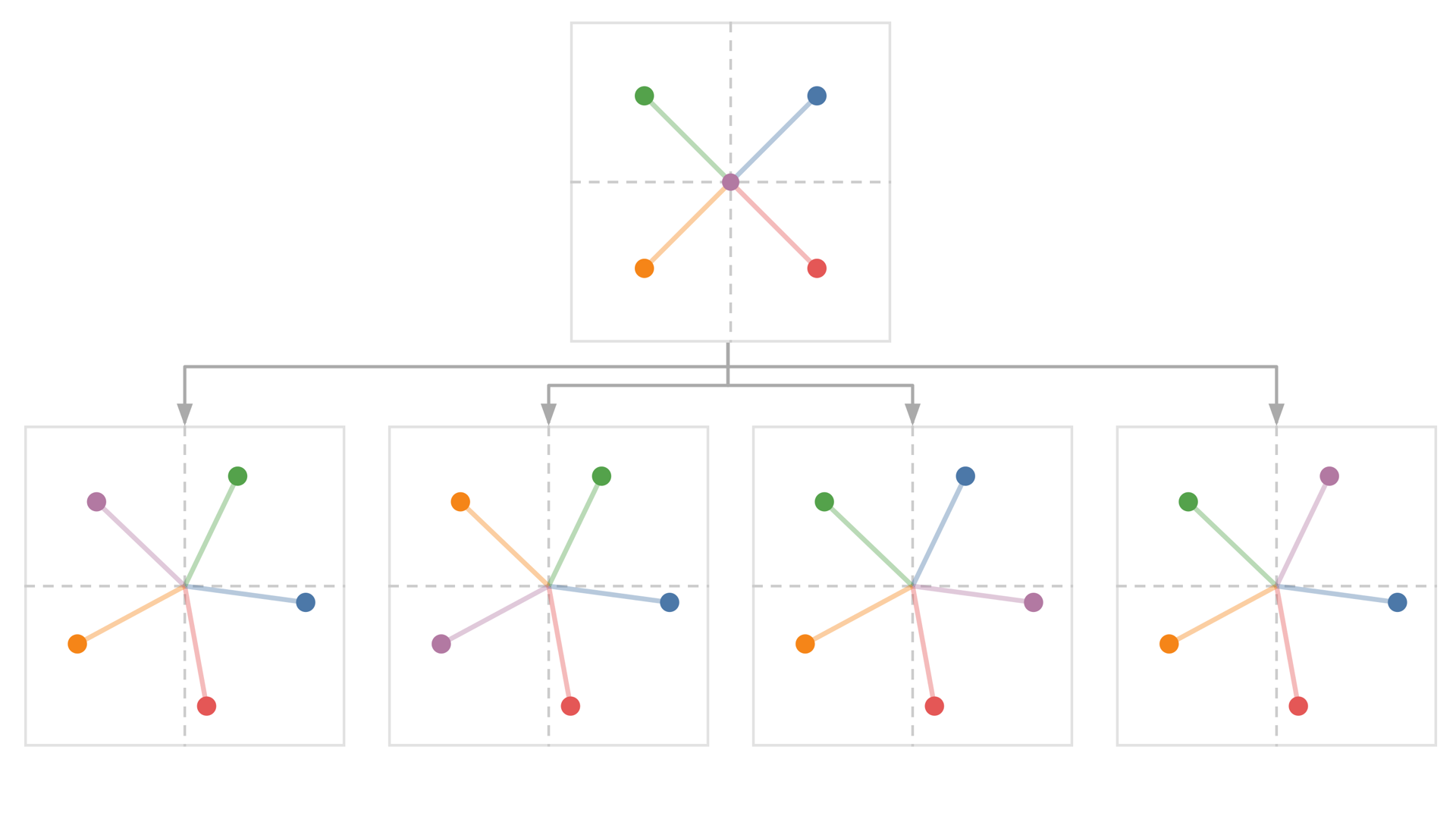
Patterning the Toy Model of Superposition
Neural networks are programmed by their training data, but there is rarely a unique way to minimize the loss: different minimizers can implement different internal algorithms. Patterning is a principled way to shape which structure a model learns by shaping its training data. We use the Toy Model of Superposition to study how patterning works in a setting where the possible solutions are well understood, and demonstrate multi-step patterning.
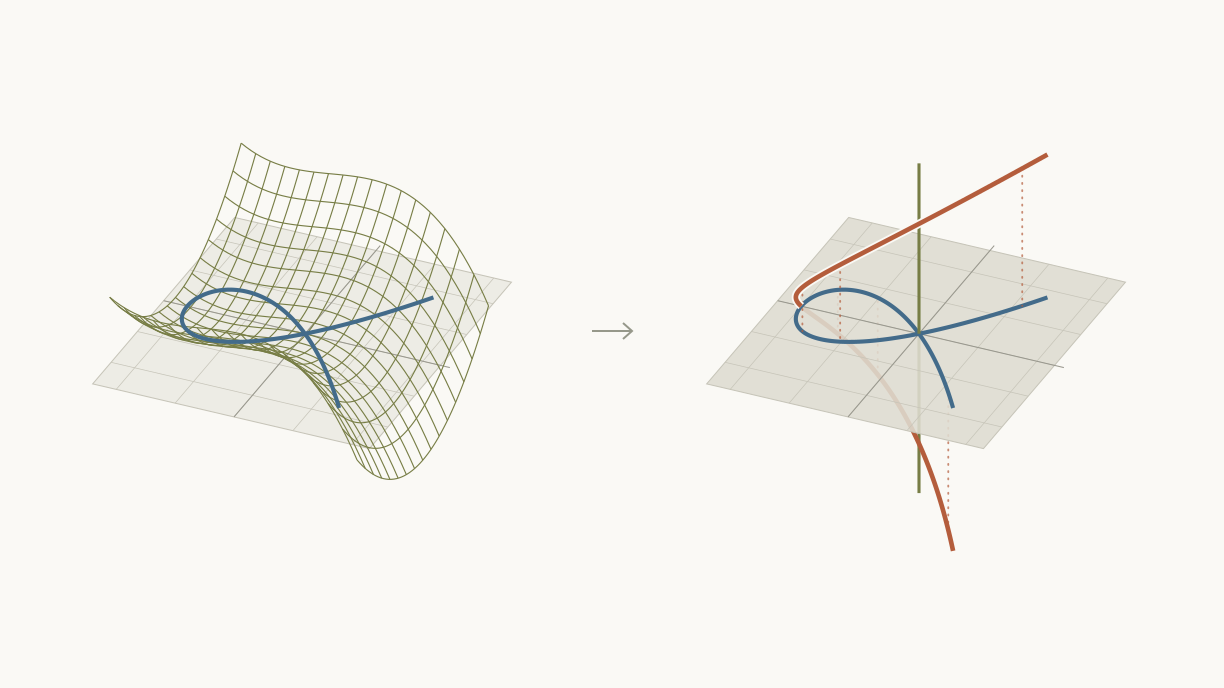
Formalizing Hironaka's Resolution of Singularities
Hironaka's 1964 theorem on resolution of singularities in characteristic zero is a pillar of modern algebraic geometry, and through Watanabe's singular learning theory it connects loss landscape geometry to generalization. We present a Lean formalization of the theorem, released with a blueprint and API docs, as groundwork for a theory of generalization relevant to AI alignment.
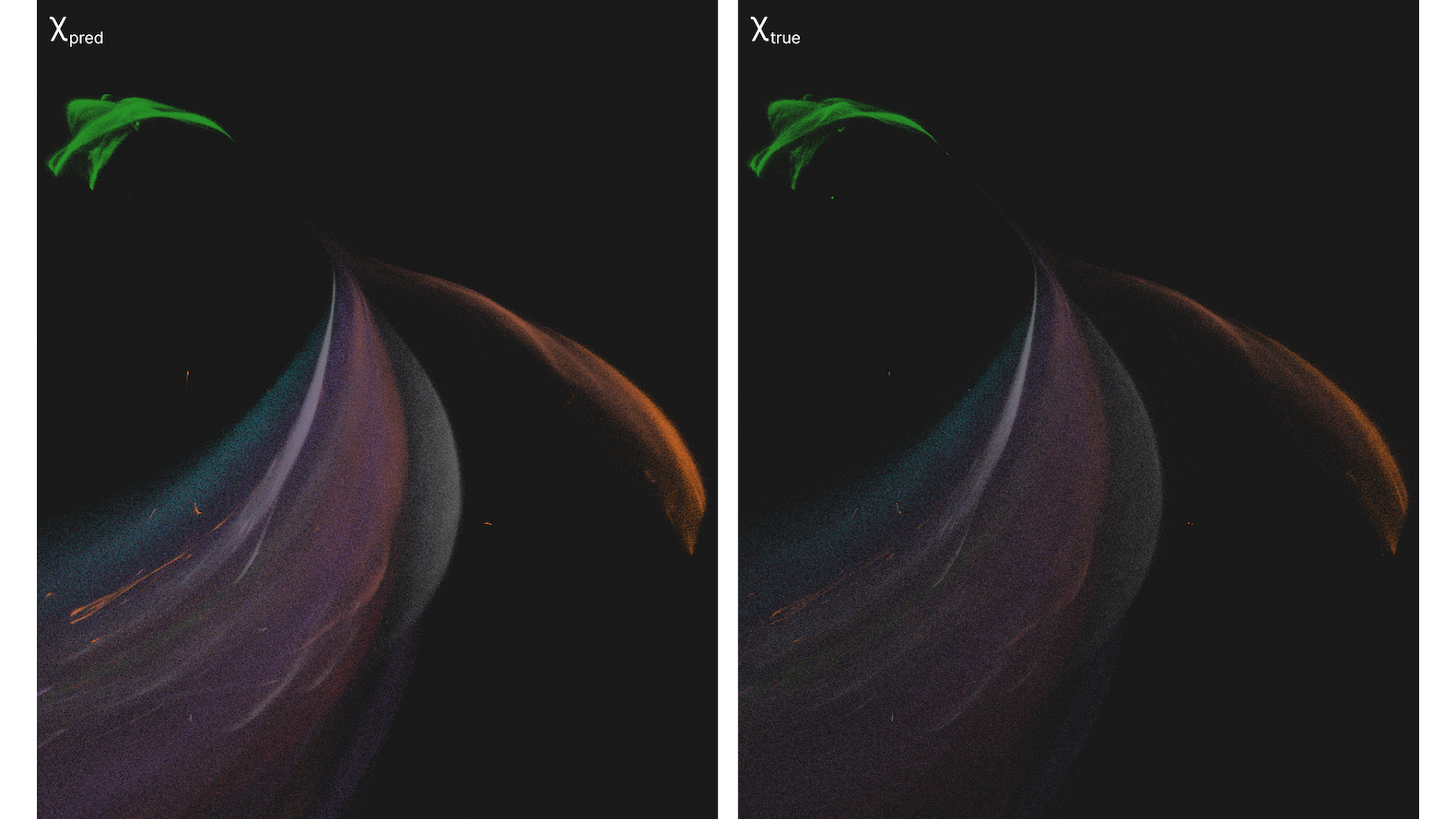
How to Scale Susceptibilities
The mathematics and methods behind scaling and analyzing susceptibilities in models with billions of parameters. We describe how we collect and post-process ground-truth susceptibility data, and how we train an auxiliary model to upsample those results to 46 million vectors. Companion to "Spectroscopy at Scale".
Posts
Announcing our $160M grant from Coefficient Giving
Resolution (fka Sequent) has a $160M grant from Coefficient Giving to put rigorous alignment research on a (closer to) even footing with the frontier labs.
Resolution (fka Sequent): scale and automation for higher confidence in alignment
We are starting a large nonprofit research organization, Resolution, that aims at higher confidence in alignment via a portfolio of theory and empirics bets, with heavy investment in automation to accelerate progress on these bets.
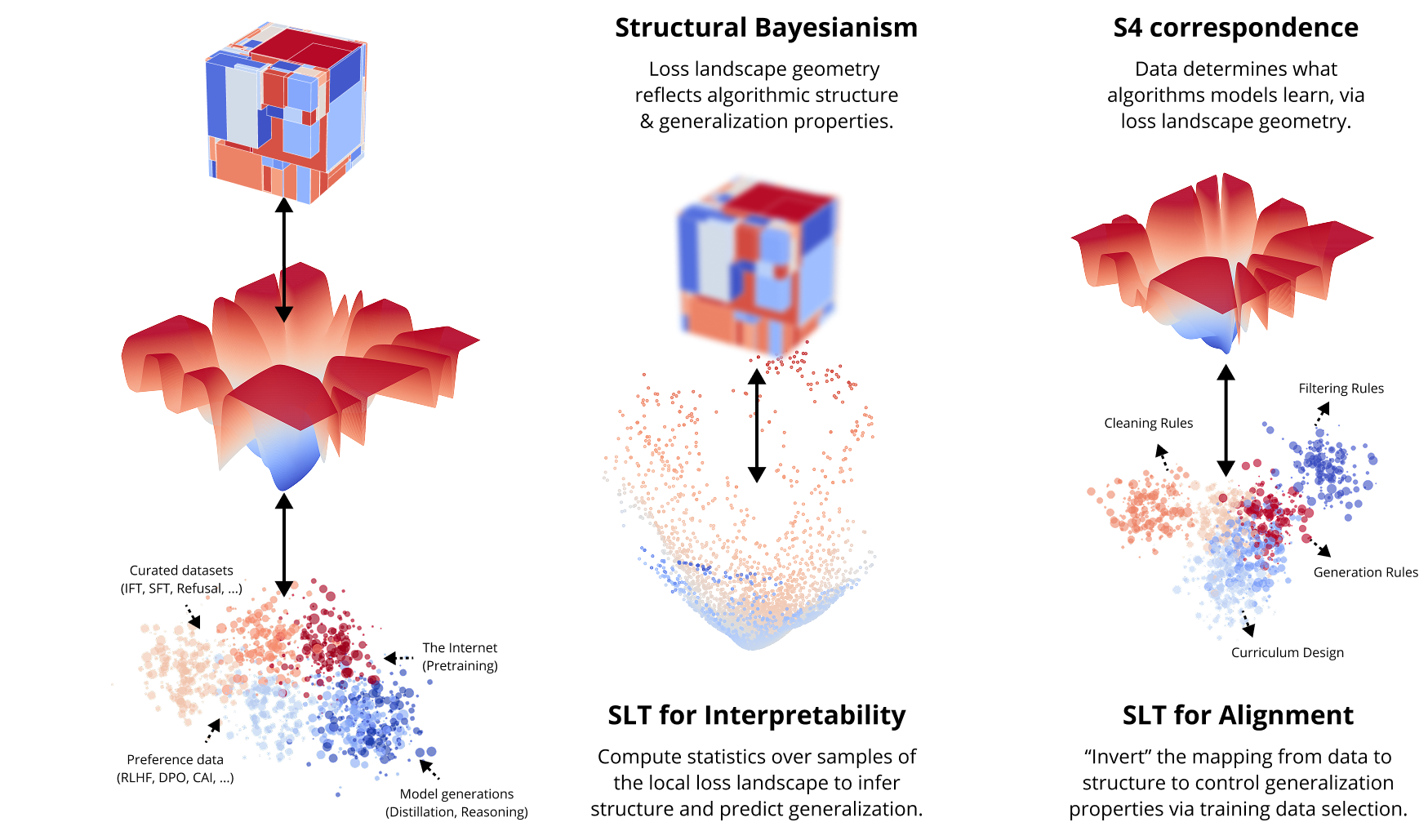
SLT for AI Safety
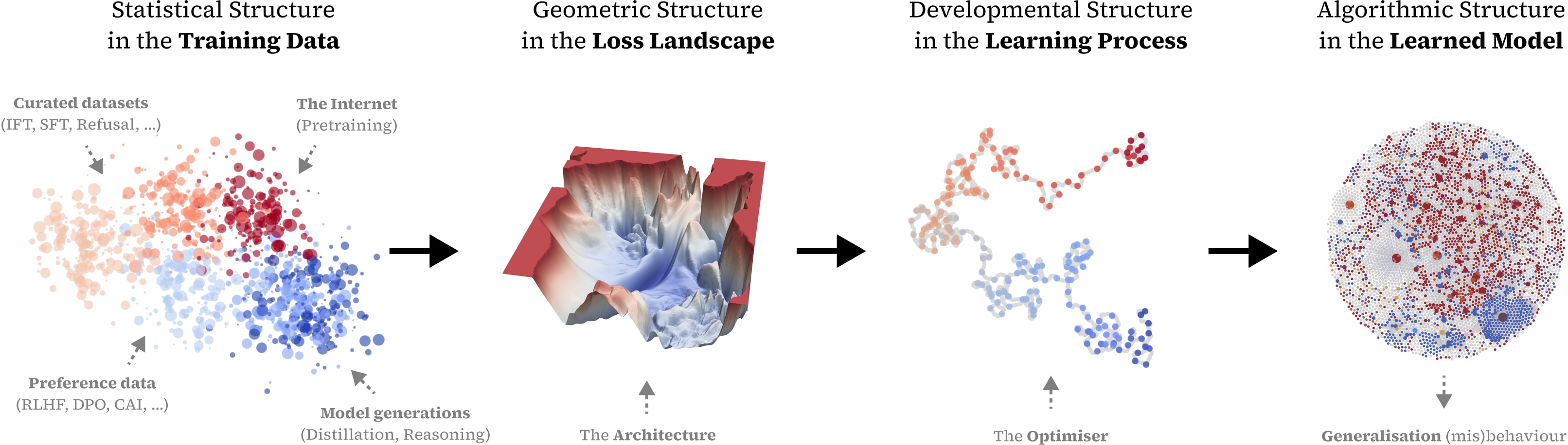
Timaeus in 2024
The Simplest Good

Brainrot
Kessler's Second Syndrome
The Rising Sea
Building AI Research Fleets
Research automation is not just about aligning the first AI scientist. It is also about the institution-building problem of coordinating fleets of AI researchers.
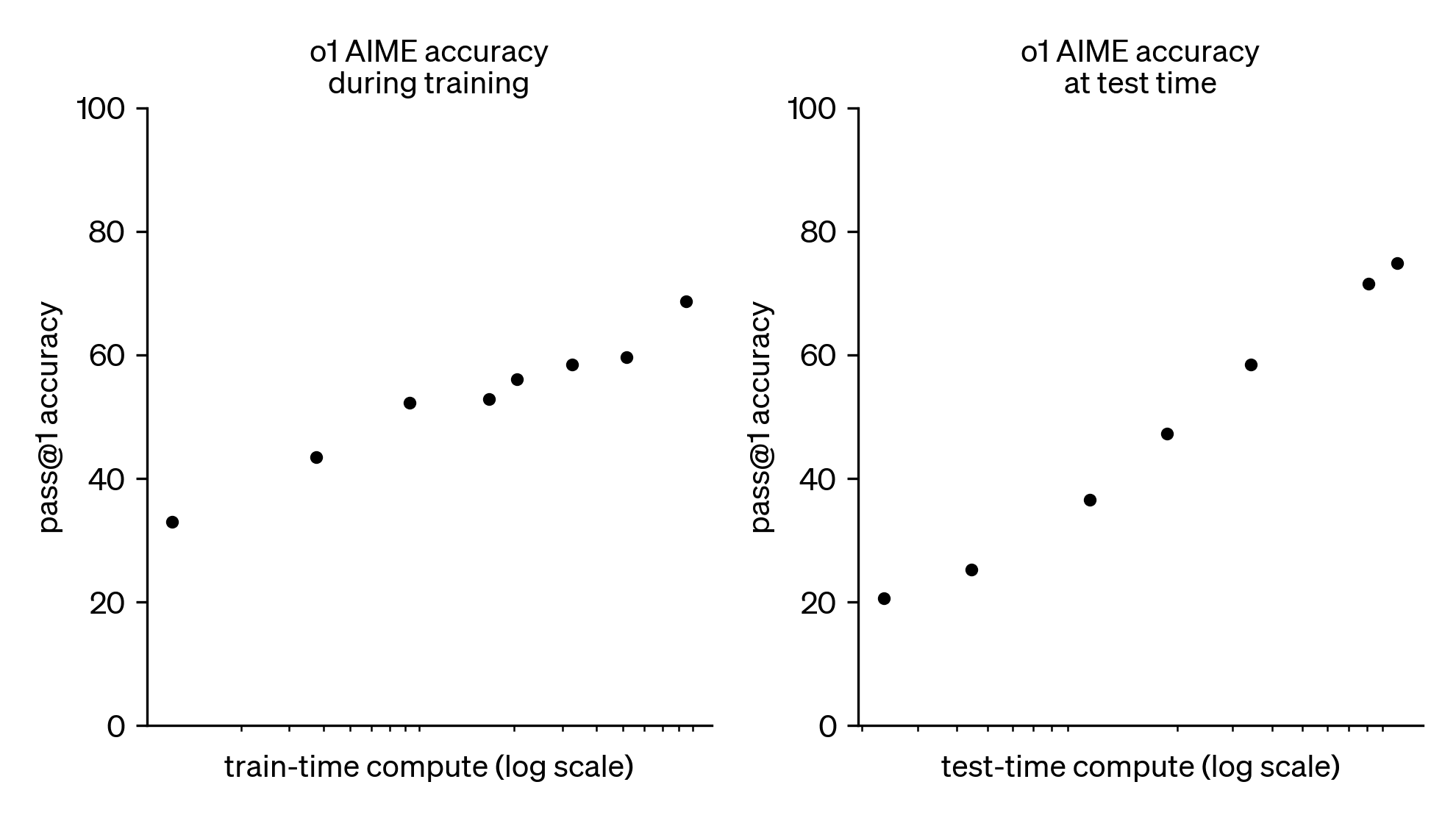
o1: A Technical Primer

New o1-like model (QwQ) beats Claude 3.5 Sonnet with only 32B parameters

Timaeus is hiring!

Stagewise Development in Neural Networks
Timaeus's First Four Months

Generalization, from thermodynamics to statistical physics

Announcing Timaeus

You’re Measuring Model Complexity Wrong
Open Call for Research Assistants in Developmental Interpretability
Apply for the 2023 Developmental Interpretability Conference!
A conference on developmental interpretability and singular learning theory, 5 to 12 November 2023 at Wytham Abbey, Oxford.

Towards Developmental Interpretability
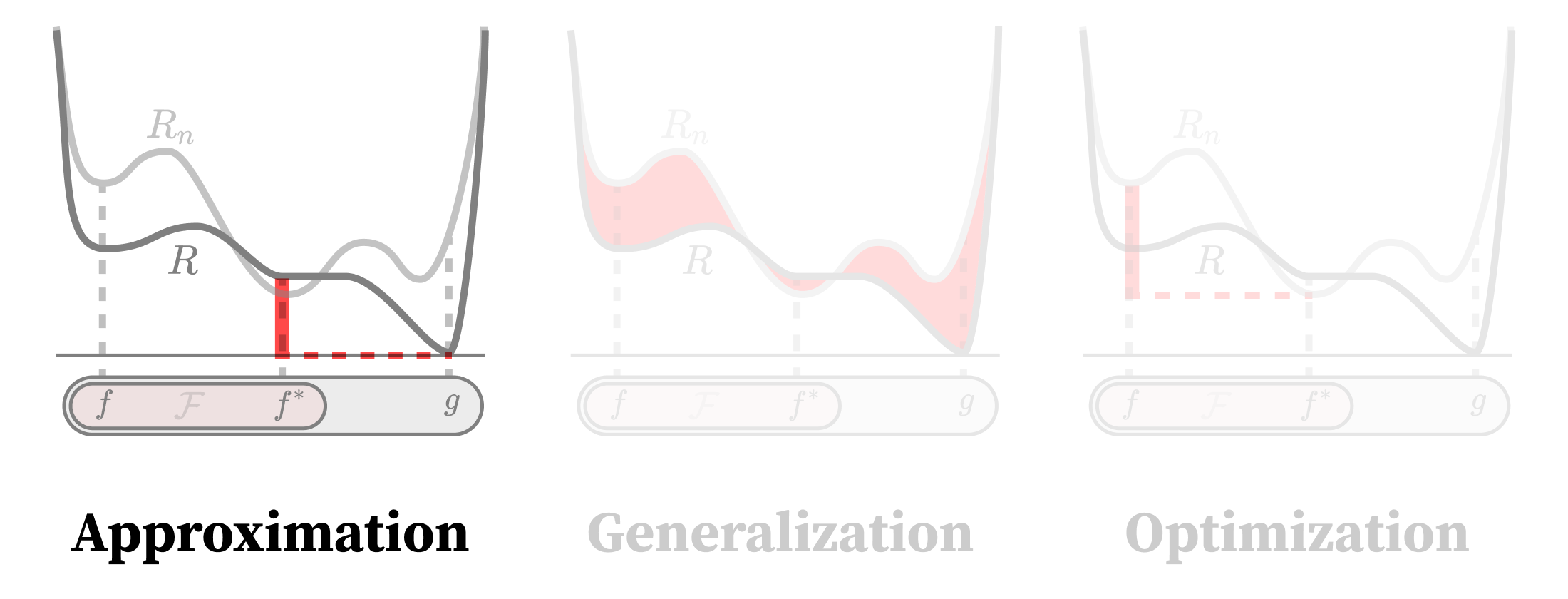
Approximation is expensive, but the lunch is cheap
Robustness and Distribution Shifts

Singularities against the Singularity: Announcing Workshop on Singular Learning Theory and Alignment
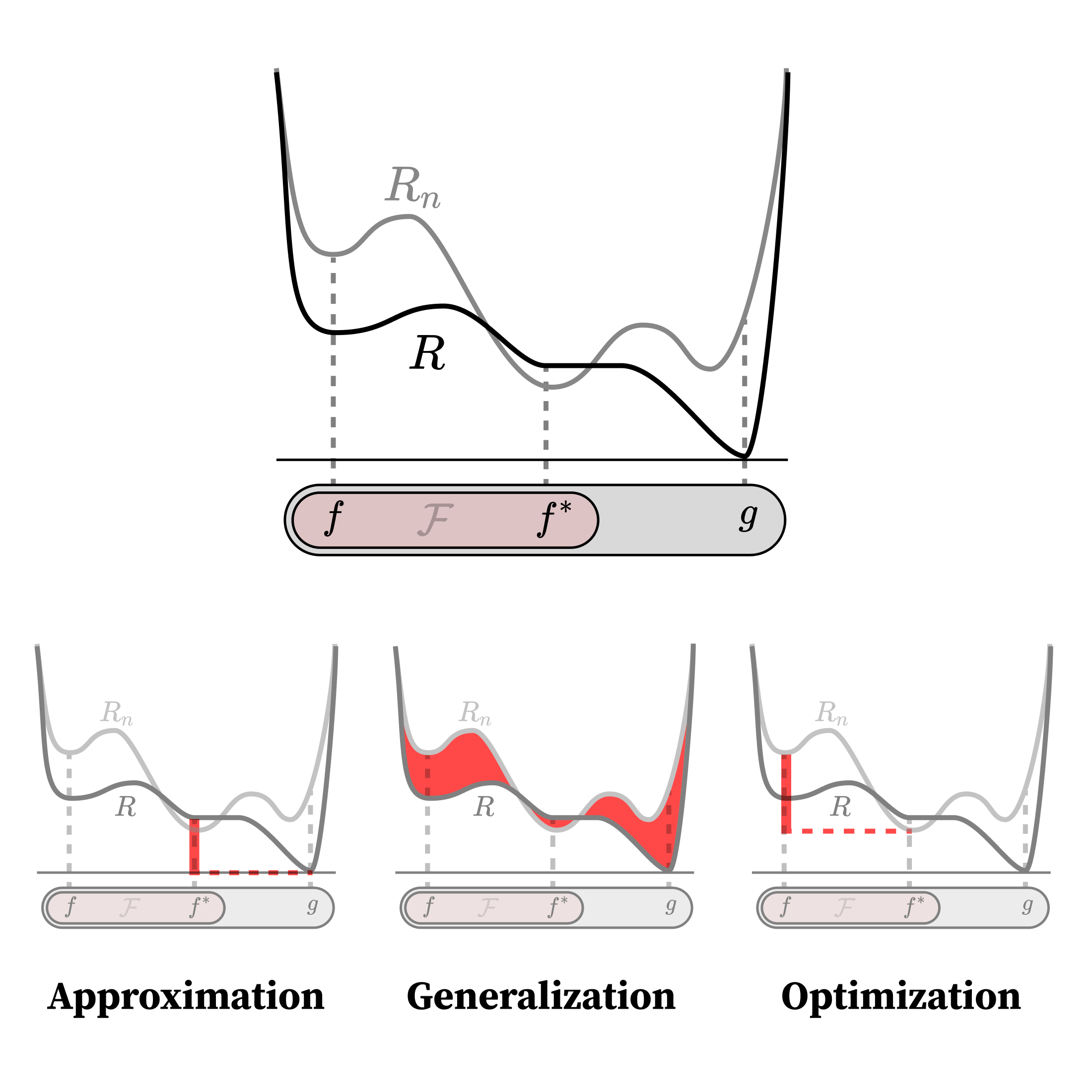
Empirical risk minimization is fundamentally confused
MNIST-CIFAR Dominoes

The shallow reality of 'deep learning theory'

Gradient surfing: the hidden role of regularization
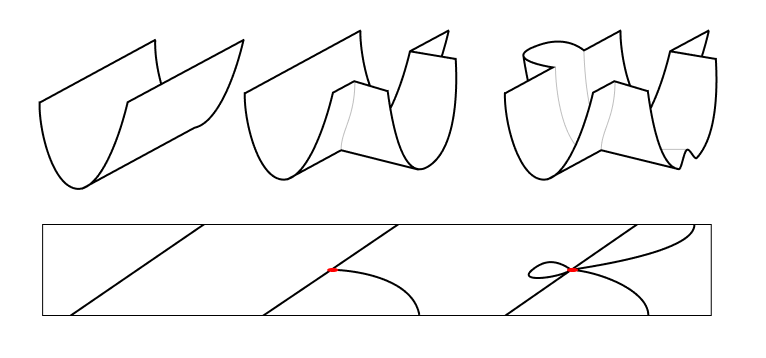
Spooky action at a distance in the loss landscape
How to Perturb Weights
Random Walks on Hyperspheres

Neural networks generalize because of this one weird trick
You can turn any function into a probability
Random Walks in Higher Dimensions
Sum of harmonic series without 9s

No, human brains are not (much) more efficient than computers
